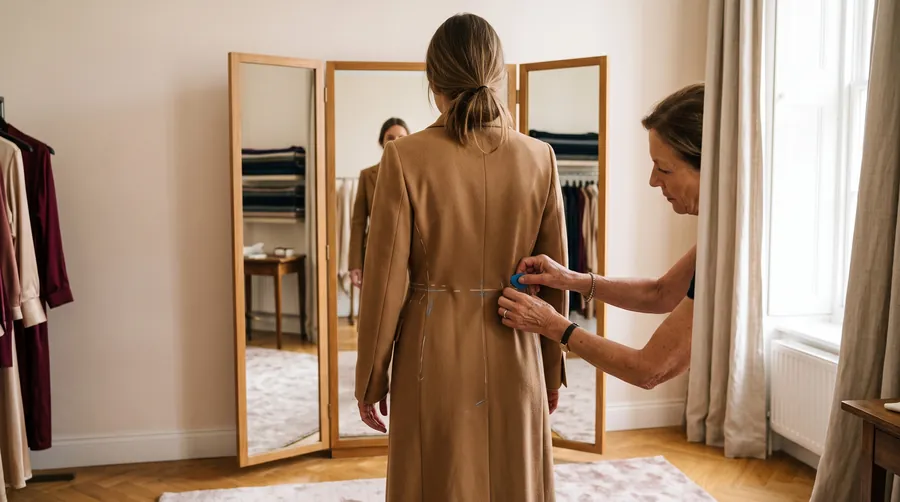
Departments · The wardrobe
Style
Clothes that fit the life you actually have. What to buy once, what to buy well, and what a good alteration can rescue.

Style is not a talent. It is a set of decisions taken calmly, in daylight, with a tape measure nearby. The women whose clothes always look right are rarely the ones who shop the most; they are the ones who know their shoulder width, their favourite hem length and the exact shade of navy that flatters them, and who stopped buying anything else years ago.
This department is about the long game. We look at cloth before we look at labels, because a wool crepe that hangs will outlast three viscose imitations of it. We take the tailor seriously, since a jacket that fits at the shoulder and nowhere else is a jacket half bought. And we are direct about money: a coat at nine hundred that you wear two hundred times a year costs less per wearing than the one at two hundred that you keep apologising for.
You will not find seasonal trend reports here. You will find silhouettes that have earned a place, the arithmetic of a wardrobe that works on a Monday morning, and the small technical knowledge that changes everything: how a shoulder seam should sit, why a lining matters, what a half-canvas is, and when a hem is worth thirty euro.
In this department
The latest in Style
 Photo: Gucci
Style From the houses
Gucci’s The Store Show: Demna Turns the Runway into a Shop Floor
In a show space built like a boutique, Demna sets out his personal vision for Gucci: two collections in one show, three characters, Horsebits large and small, and a first original soundtrack by loki.
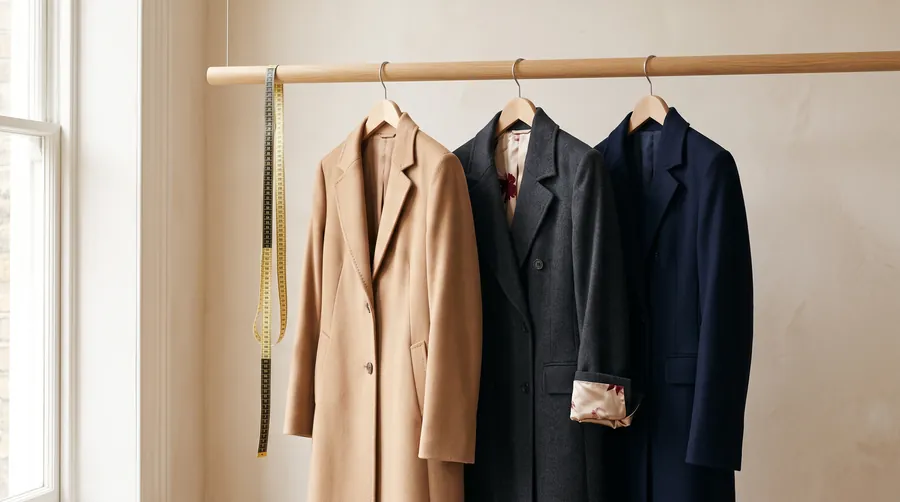
Style Outerwear
The Coat You Will Still Be Wearing in 2036
One coat, worn two hundred days a year for a decade, is the single best purchase in a wardrobe. Here is how to recognise it, what it costs and what to ignore.
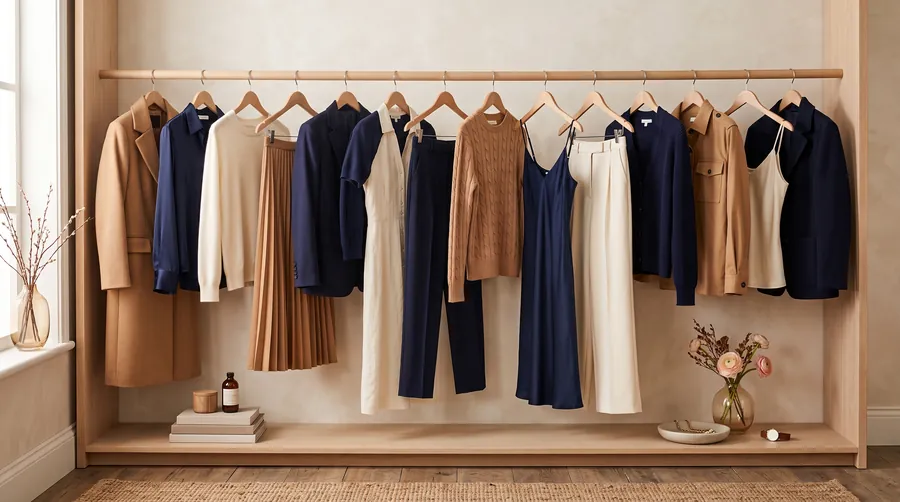
Style The wardrobe
Thirty-Eight Pieces, Three Hundred Outfits
A capsule wardrobe is not a vow of poverty. It is a combinatorial problem with a pleasant solution, and the arithmetic is more forgiving than you think.
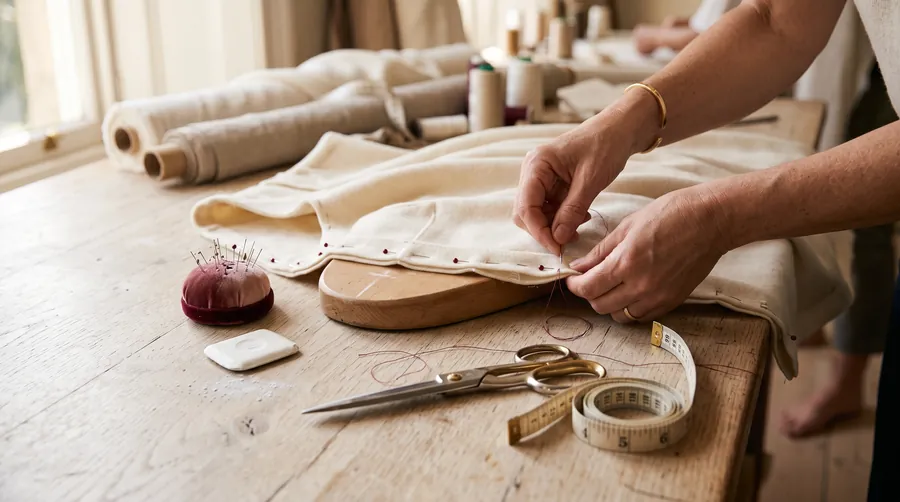
Style Alterations
What a Tailor Can Actually Fix
Six alterations turn near misses into favourites, and four are not worth attempting at any price. A plain list, with what each should cost.

Style Denim
The Long Search for Jeans That Fit
Rise, rigidity and the elastane trap. Why the jeans that fit in the shop stop fitting by lunchtime, and how to buy the pair that does not.
The tool for this
Capsule Wardrobe
Tick what you own. The tool counts the outfits your wardrobe can actually produce and names the one addition that would unlock the most new combinations.
Reader poll
If you could only replace one thing this year, what would it be?
Questions we get asked
How many pieces does a working wardrobe actually need?
Between thirty and forty for a whole year, if they share a palette. Our Capsule Wardrobe tool works with thirty-eight and shows you which gaps stop the others from combining.
Is expensive always better?
No. Above roughly four hundred euro for a coat and two hundred for shoes, price starts buying you name and finishing rather than durability. Below one hundred you are usually buying fabric that will pill within a season.
What can a tailor realistically change?
Length, waist, sleeve, hem, and taking in a back seam. What cannot be changed cheaply: shoulder width, rise on trousers and anything across the chest of a lined jacket.
How do I stop buying things I never wear?
Photograph the four items you wear most and write down what they have in common: length, colour, weight, neckline. Buy inside that description for a year.
Keep going
The other departments

Better skin, fewer bottles
Skin, hair, colour

How to find a perfume that is actually yours
Perfume
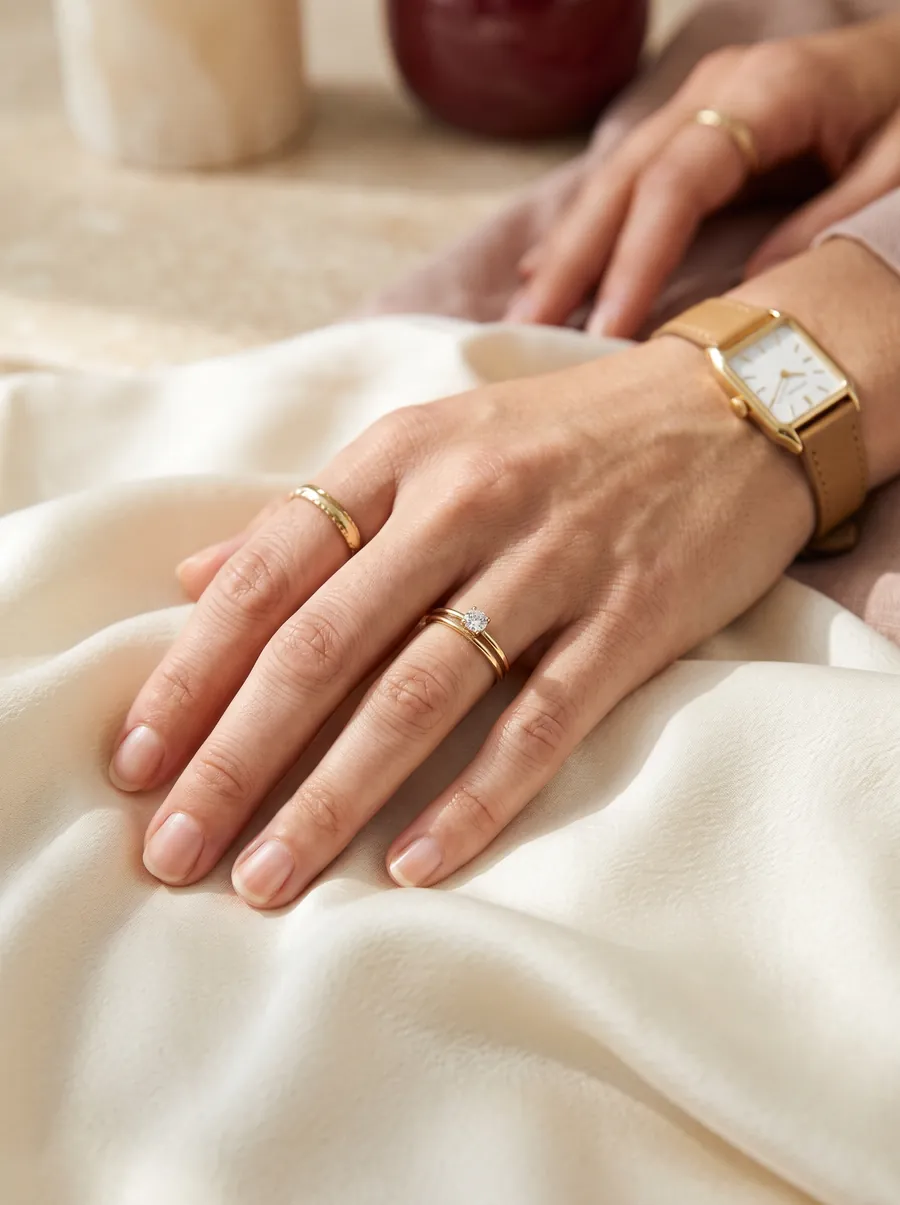
Gold that outlives the trend
Jewellery and watches

Three nights that reset a year
Travel

The week that restores you
Body and mind
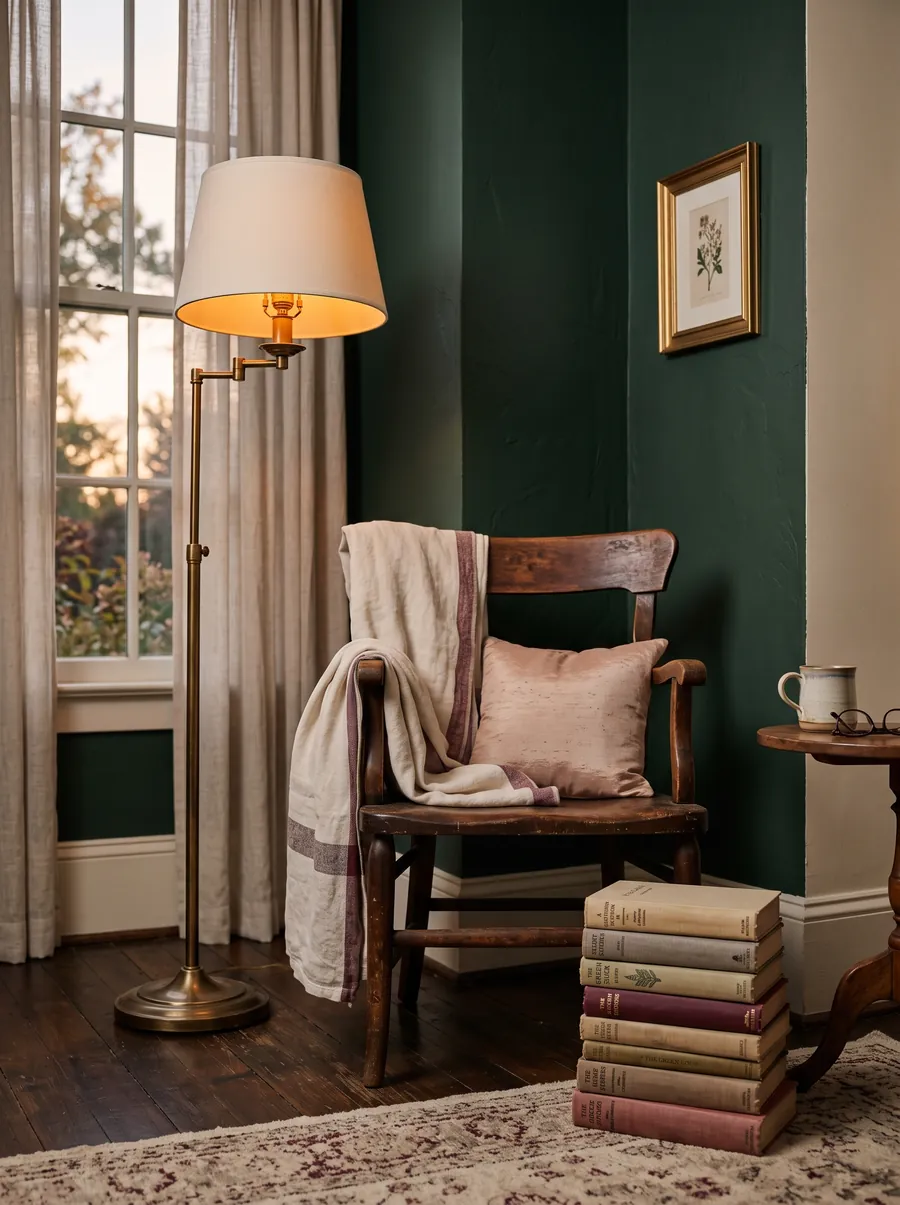
Rooms that hold a life, not a look
Home

Dinner for six, without the panic
Food and hosting