Departments · Body and mind
Wellbeing
Strength, sleep, hormones and rest, written for a real week. What the evidence supports and what it quietly does not.

Wellbeing has become a shopping category, which is a shame, because the parts that work are mostly free and mildly boring. Lifting something heavy twice a week, walking daily, going to bed at a consistent hour and eating enough protein will outperform any supplement shelf in the country.
We write about strength training for women without the pastel dumbbells, about sleep as a schedule rather than a product, about what changes in the body through the decades and what can be done about it, and about the difference between rest that restores and rest that merely postpones.
Where the evidence is thin, we say so. Where a doctor is the right answer rather than an article, we say that too, particularly around hormones, thyroid and persistent fatigue, which are medical questions wearing wellness clothing.
In this department
The latest in Wellbeing
Wellbeing Strength
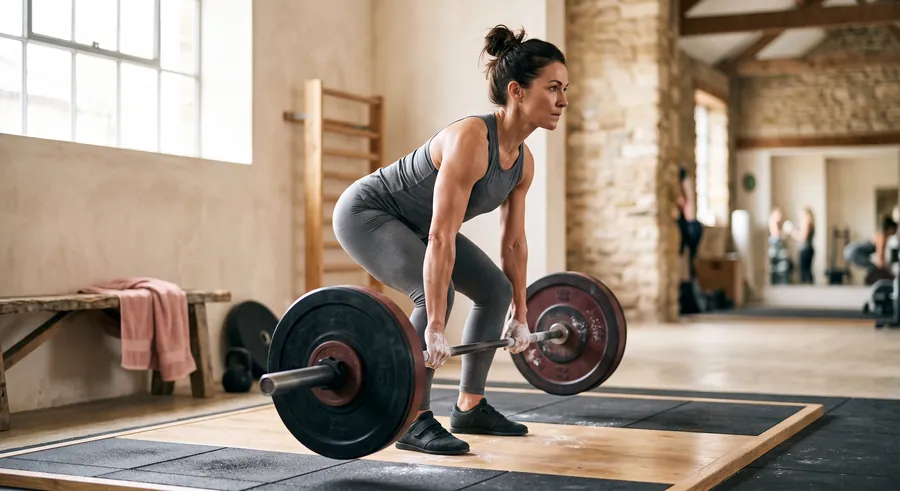
Two Sessions a Week Is Enough
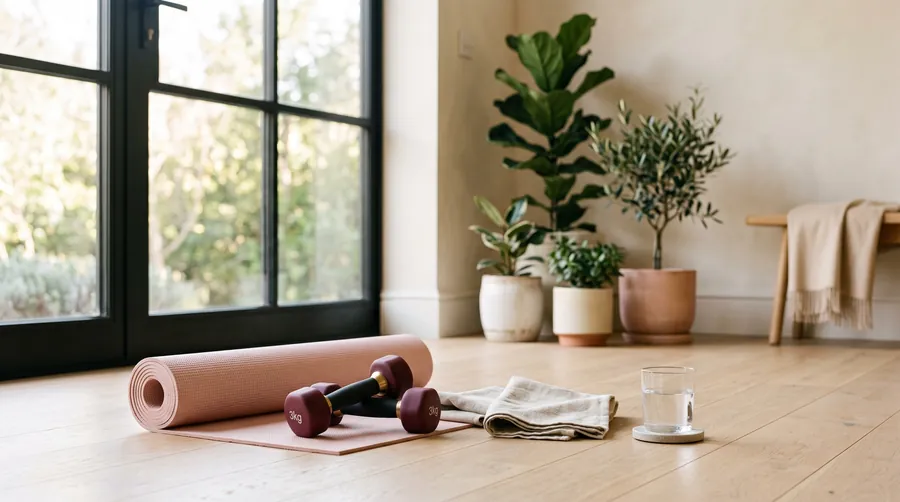
Strength training is the intervention with the best return per hour in adult life, and the effective dose is far smaller than the industry implies.

Wellbeing Sleep
Sleep Is a Schedule, Not a Product
The market sells sleep as something to buy. The evidence says it is something to time. What actually moves the needle, and in which order.

Wellbeing Food
Thirty Grams Before Nine
The most useful change most women can make to how they eat is not a diet. It is moving protein to the start of the day, and the reasons are mechanical.
Wellbeing Decades
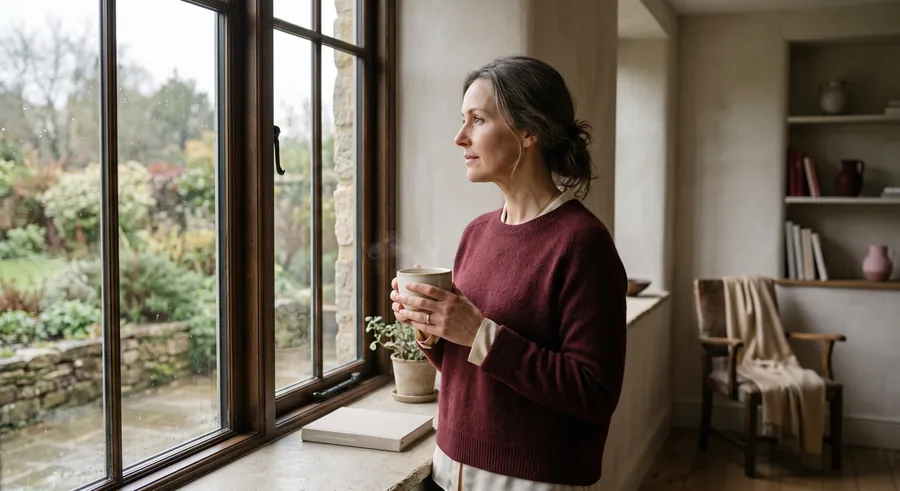
What Changes at Forty, and What to Do About It
Perimenopause begins earlier than most women are told and is described worse than almost anything else in medicine. A plain account of what happens and what helps.
The tool for this
Ritual Week
Two strength sessions, a walk, a fixed wake time and the rest built around your real diary. Tick the days off and watch the ring fill.
Reader poll
Which one is hardest to keep up?
Questions we get asked
Will lifting weights make me bulky?
No. Building visible muscle mass takes years of deliberate surplus eating and dedicated programming. What two sessions a week reliably buys you is bone density, a working metabolism and the ability to carry your own suitcase at seventy.
How much sleep is genuinely needed?
Seven to nine hours for almost everyone, and the variation between people is smaller than the internet suggests. The number that matters more is consistency: the same wake time seven days a week.
Are supplements worth it?
Vitamin D through northern winters, and iron or B12 if a blood test says so. Almost everything else is expensive urine unless a doctor has identified a deficiency.
What actually helps in perimenopause?
Strength training, sleep hygiene, protein and a frank conversation with a doctor about hormone therapy. The evidence for HRT has improved considerably since the scare of the early 2000s, and the decision is medical rather than editorial.
Keep going
The other departments

The coat you will still be wearing in 2036
The wardrobe

Better skin, fewer bottles
Skin, hair, colour

How to find a perfume that is actually yours
Perfume
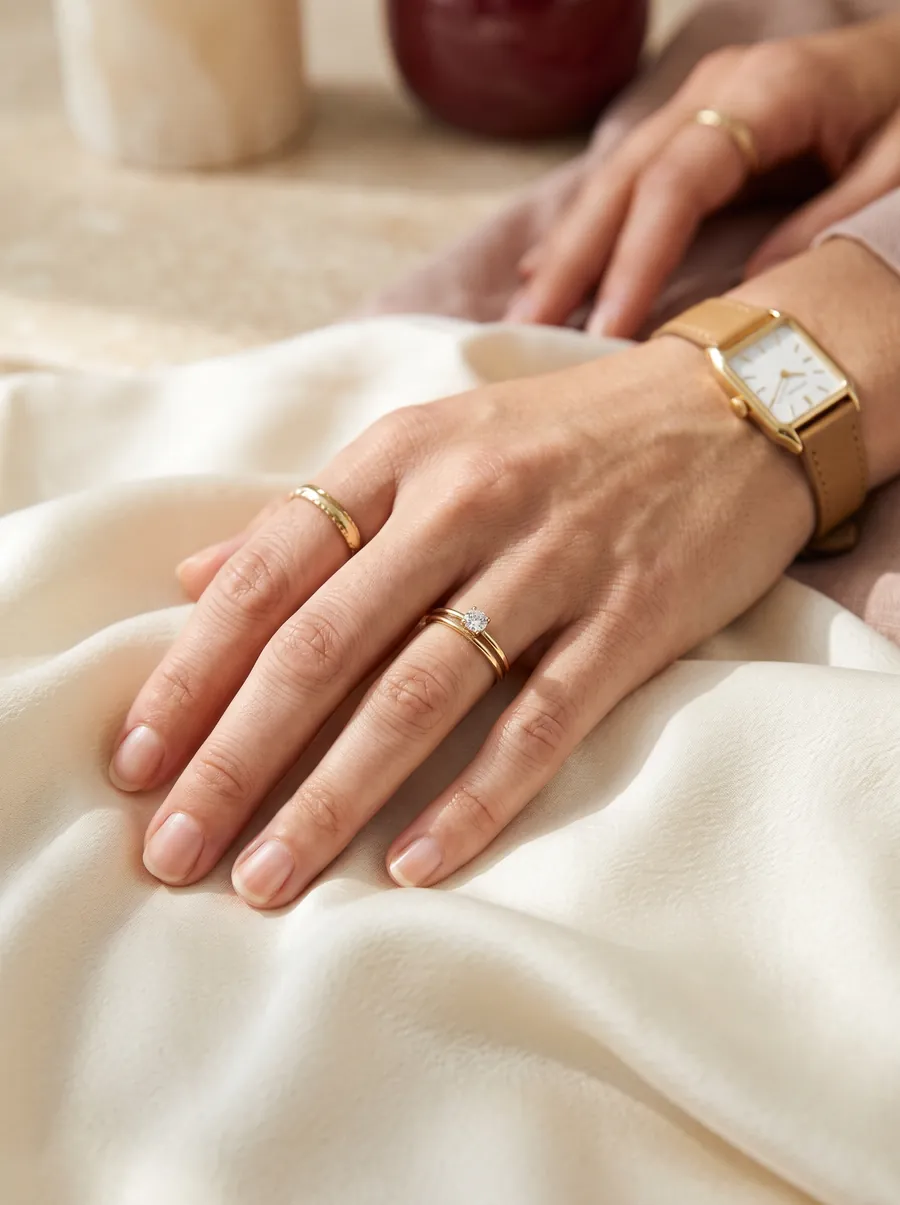
Gold that outlives the trend
Jewellery and watches

Three nights that reset a year
Travel
Rooms that hold a life, not a look
Home

Dinner for six, without the panic
Food and hosting