Departments · Perfume
Scent
Families, notes, concentrations and the long walk to a signature. Plus the bottles worth their price and the ones that are not.

A perfume counter is designed to overwhelm you, and after the fourth spray your nose stops being a reliable witness. The way out is a small amount of structure: knowing that a fragrance belongs to a family, that the family predicts how it will behave on you, and that the first ten minutes of a scent tell you almost nothing about the six hours that follow.
We write about the seven families that organise almost everything on the shelf, about concentration and why eau de parfum is not simply a stronger eau de toilette, about the difference skin chemistry genuinely makes, and about how to test properly: one scent per wrist, an hour of ordinary life, and a decision the next morning.
There is also the matter of money. Niche houses charge two hundred and fifty for what is sometimes a beautiful idea and sometimes a marketing exercise, while a handful of classics from the 1970s still outperform most of the shelf. We name both.
In this department
The latest in Scent
 Photo: CHANEL
Scent From the houses
CHANEL and the Art of Perfume: From N°5 to Le Grand Numéro
In the winter of 2022, CHANEL turned the Grand Palais Éphémère into a circus of scent. Looking back at Le Grand Numéro is the best way into a perfumery built on ideas rather than ingredients.
Scent Structure
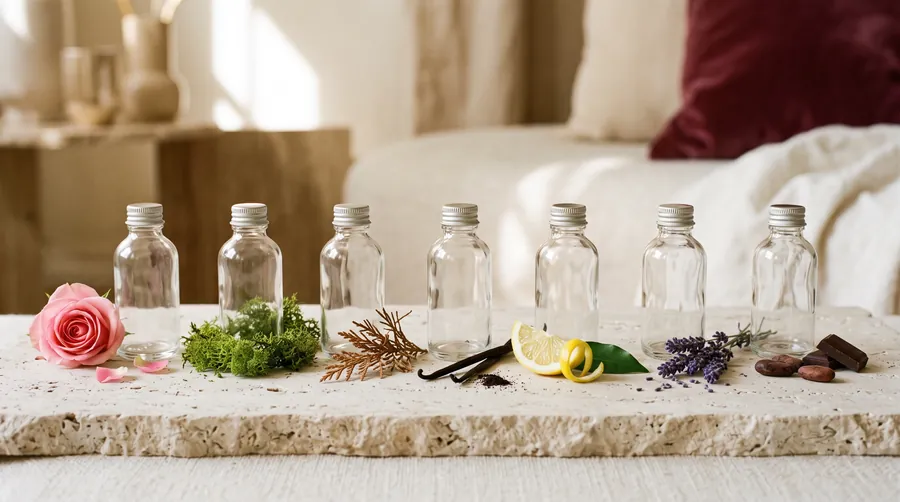
The Seven Families That Explain Every Perfume
Two hundred bottles on a counter become manageable the moment you know there are only seven answers. A map of the families, and what each one does on skin.
Scent Method
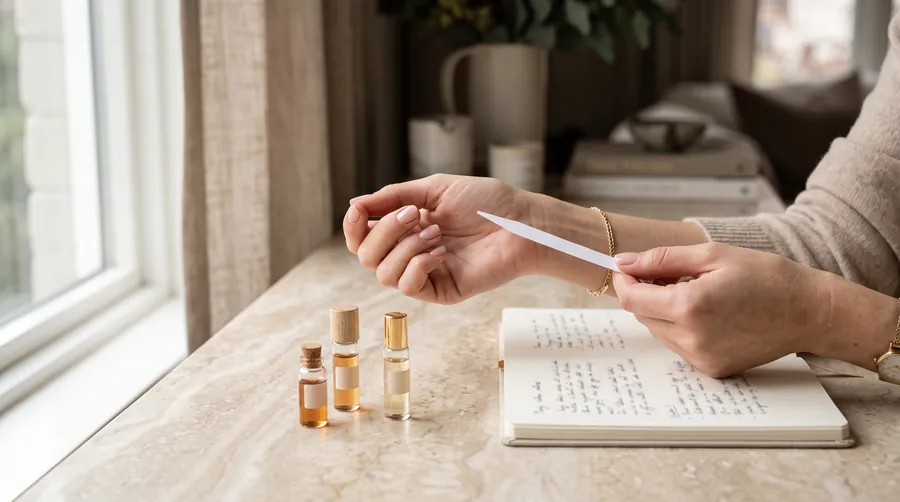
How to Find a Scent That Is Actually Yours
A signature perfume is not chosen at a counter in twenty minutes. It is arrived at over six weeks, and the method is unglamorous and reliable.

Scent Technique
Parfum, Eau de Parfum, Eau de Toilette
Concentration is not simply volume. It changes which notes you can smell and for how long, and the strongest version is not always the best one.
Scent Value
Which Bottles Are Worth Their Price
Some ingredients genuinely cost a fortune. Others are marketing with a heavy cap. How to tell the difference before you spend two hundred euro.
The tool for this
Fragrance Compass
Five sliders and a season. Three bottles across two families, with the notes that explain the recommendation and an honest price for each.
Reader poll
Which family do you keep coming back to?
Questions we get asked
Why does a perfume smell different on me than on my friend?
Skin pH, sebum and temperature change how quickly the top notes evaporate. Oilier and warmer skin projects more and holds base notes longer, drier skin lets a fragrance fade sooner and can make it read sharper.
Is eau de parfum always better value than eau de toilette?
Not always. Eau de parfum carries more oil, so it lasts longer, but some compositions were built as eau de toilette and lose their lift in the heavier version. Citrus and cologne structures are usually better in the lighter concentration.
How many perfumes should a person own?
Three works for most people: one for the working day, one for warmth and evening, one for high summer. A fourth for the coldest weeks if you enjoy them.
Where should perfume be stored?
Upright, in a cool dark cupboard, not the bathroom. Heat and light break down the top notes first, which is why an old bottle can smell fine at the base and unpleasant at the opening.
Keep going
The other departments
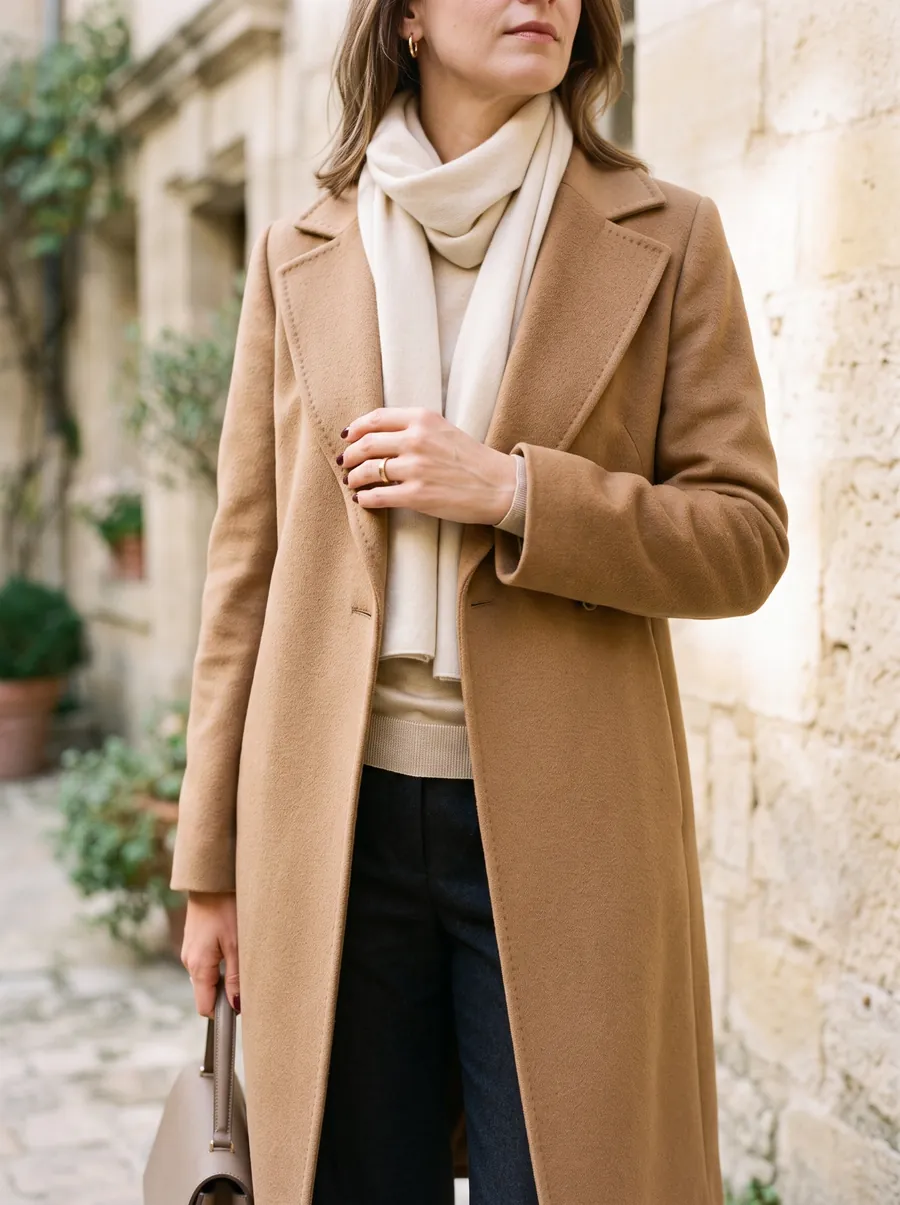
The coat you will still be wearing in 2036
The wardrobe

Better skin, fewer bottles
Skin, hair, colour
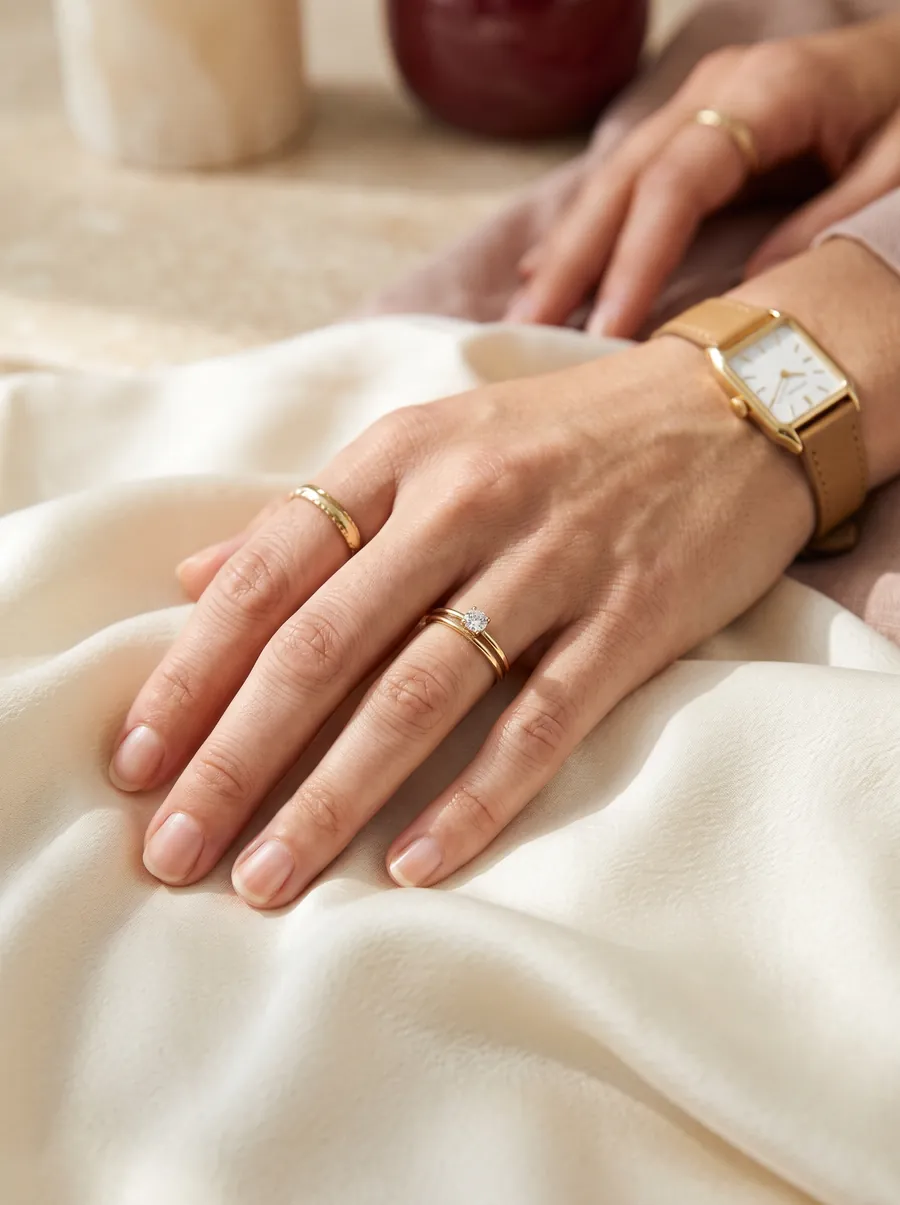
Gold that outlives the trend
Jewellery and watches

Three nights that reset a year
Travel

The week that restores you
Body and mind
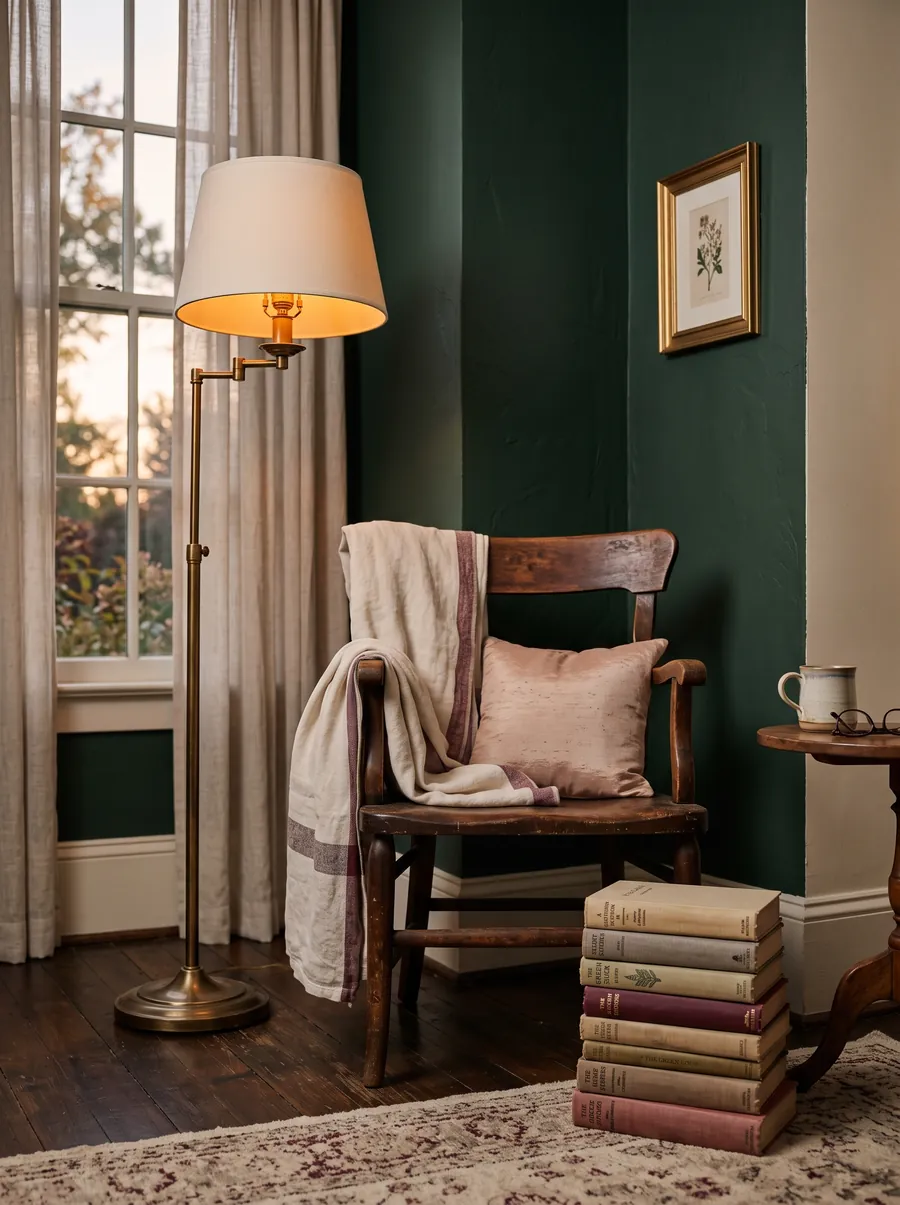
Rooms that hold a life, not a look
Home

Dinner for six, without the panic
Food and hosting