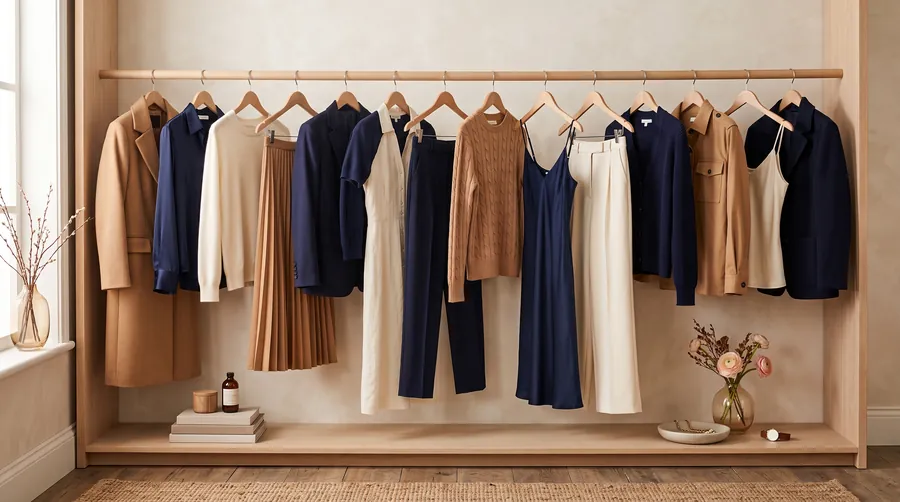

The phrase capsule wardrobe has been ruined by photographs of eleven beige items on a white rail, which is a lifestyle rather than a system and a fairly joyless one. The underlying idea is better than its marketing. A wardrobe works when its pieces combine, and pieces combine when they share a palette, a weight and a set of proportions. Get those three right and thirty-eight items produce more genuine outfits than a hundred and fifty that do not speak to one another.
The arithmetic
Take six tops, four bottoms and three layers that all share a palette. That is 6 × 4 = 24 base combinations, each of which works with or without each of the three layers, giving 96 configurations before you have added a single dress, a scarf or a change of shoe. In practice you will wear perhaps a third of them, which is still thirty outfits from thirteen garments.
The number that breaks this is not the count of items. It is the count of colours. Every colour you add multiplies the ways a combination can fail. A wardrobe built on two neutrals and two accent colours has almost no failing combinations; a wardrobe with nine colours has mostly failing ones, which is why a full wardrobe can still produce nothing to wear.
Nothing in a working wardrobe is worn with only one other thing. The moment a garment has a single partner, it has become a costume.
The structure that works
Thirty-eight pieces, excluding underwear, gym clothes and true occasion wear, cover a year in a temperate climate:
- Six tops: two fine-knit jumpers, two shirts or blouses, two good t-shirts or vests
- Four bottoms: one pair of jeans that fit, one pair of tailored trousers, one skirt, one pair of easier trousers for weekends
- Three dresses: one day, one work, one that handles a wedding at short notice
- Four layers: a blazer, a cardigan or heavier knit, a denim or leather jacket, a waistcoat or overshirt if you like them
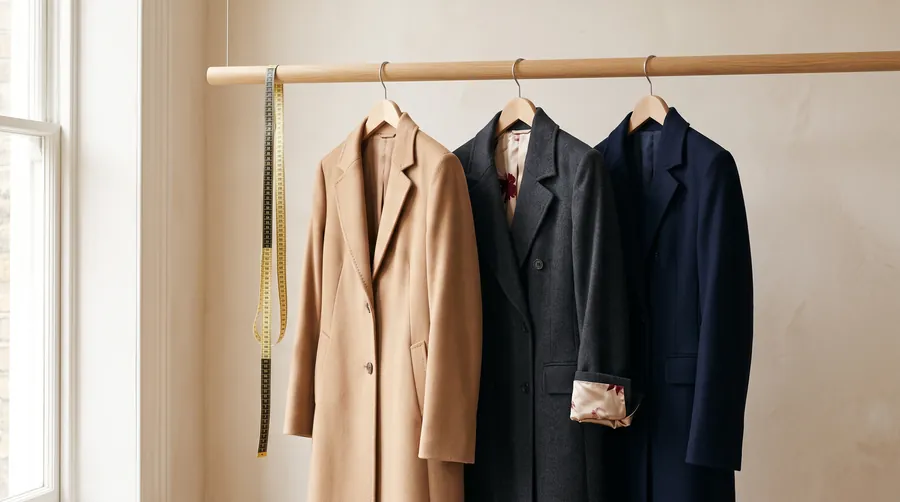
- Three coats: the good wool coat, a rain layer, something light for spring
- Five pairs of shoes: flats you can walk in, a boot, a heel that is genuinely wearable, a trainer, a sandal
- Two bags: one that carries a laptop, one for evenings
- Eleven supporting pieces: scarves, belts, a swimsuit, the fine knitwear that goes under everything
Our Capsule Wardrobe tool holds this structure, remembers what you own on your own device and tells you which single addition would unlock the most new combinations. It is usually not the thing you were about to buy.
The palette rule
Choose two neutrals that you will use for the heavy pieces: coats, trousers, bags, shoes. Navy and cream, charcoal and camel, black and grey, brown and ivory. Then choose two accent colours that flatter your face for the pieces worn near it. That is four colours doing all the work, plus whatever you are wearing on the day that makes you happy and matches nothing at all, which every wardrobe should also contain.
The reason this works is that heavy pieces are expensive and long-lived, while the pieces near the face are cheaper and easier to replace. Putting the discipline where the money is and the pleasure where it is not is the whole trick.
The five gaps that break wardrobes
In eleven years of asking women what they own and what they wear, the same five absences come up again and again.
- Trousers that fit at the waist and the hip simultaneously. Almost always solved by buying for the larger measurement and having the waist taken in for 25 euro.
- A flat shoe that is not a trainer. A loafer, a ballet flat with a proper sole, a Chelsea boot. Its absence forces every outfit through either heels or gym shoes.
- A second layer between cardigan and coat. The blazer or the overshirt. Without it, autumn is a choice between too cold and too formal.
- One dress that requires no thought. Sleeves, pockets, a hem you have already checked in a full-length mirror.
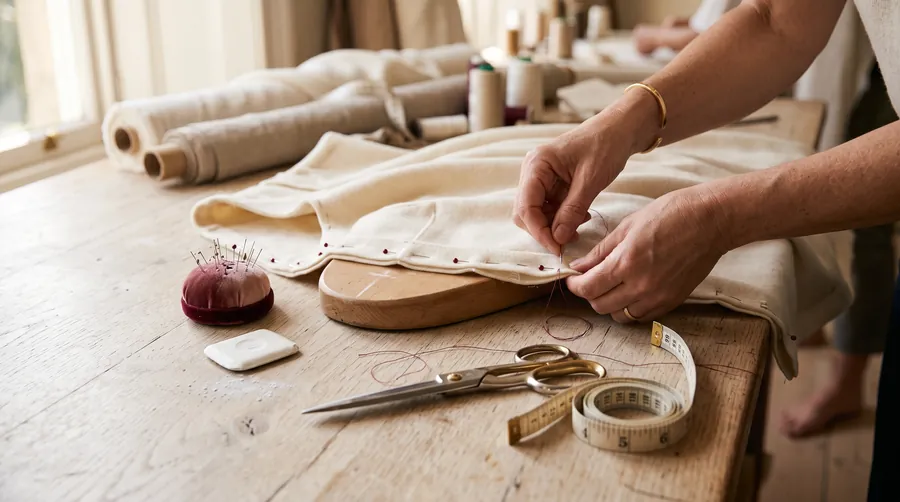
- Anything that has been altered. A wardrobe in which nothing has been to a tailor is a wardrobe of near misses.
How to get there without starting again
Do not empty the wardrobe. Instead, for four weeks, turn every hanger backwards and turn it the right way round after you have worn the item. At the end of a month you will be looking at your real wardrobe, and it will be smaller than you expected and clearer about what it needs. Then buy one thing, well, and see how many new combinations it makes.
Try the tool
Capsule WardrobeThirty-eight pieces, counted honestlyFit GuideSizes that mean the same thingQuestions we get asked
Does a capsule mean I cannot follow trends?
Not at all. It means the expensive, structural pieces stay neutral and long-lived while the cheap, near-the-face pieces carry whatever you are enjoying this year. That is how trends are supposed to be affordable.
What about work clothes and weekend clothes?
If they share a palette they are one wardrobe, and that is the goal. Separate work and weekend wardrobes mean two thirds of your clothes are idle at any moment.
How often should the capsule be reviewed?
Twice a year, at the change of season, and only ever with a list of what actually got worn. Reviews driven by mood produce purchases; reviews driven by a list produce alterations.