
A 50 millilitre bottle at 45 euro and one at 245 euro can contain a similar quantity of aromatic compound. The difference is distributed across raw materials, the perfumer’s fee, packaging, marketing and margin, and the proportions vary wildly. Knowing roughly where the money goes makes it much easier to decide when a price is fair.
The materials that genuinely cost
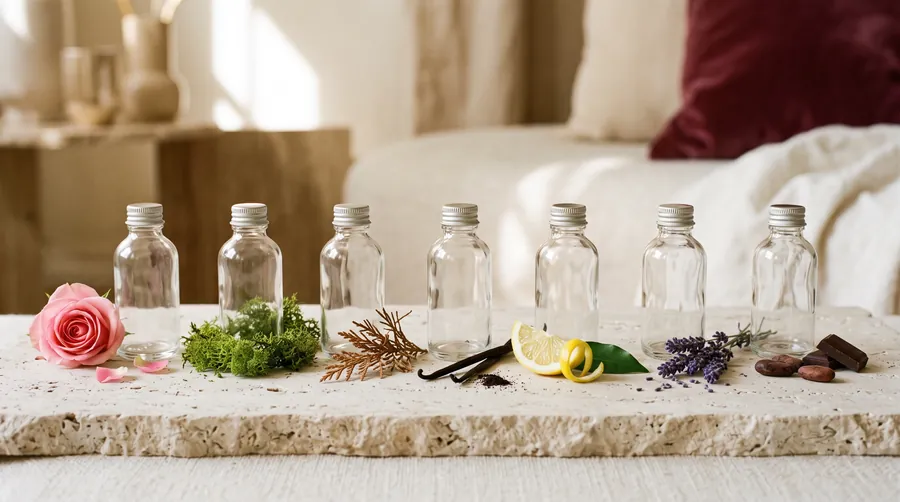
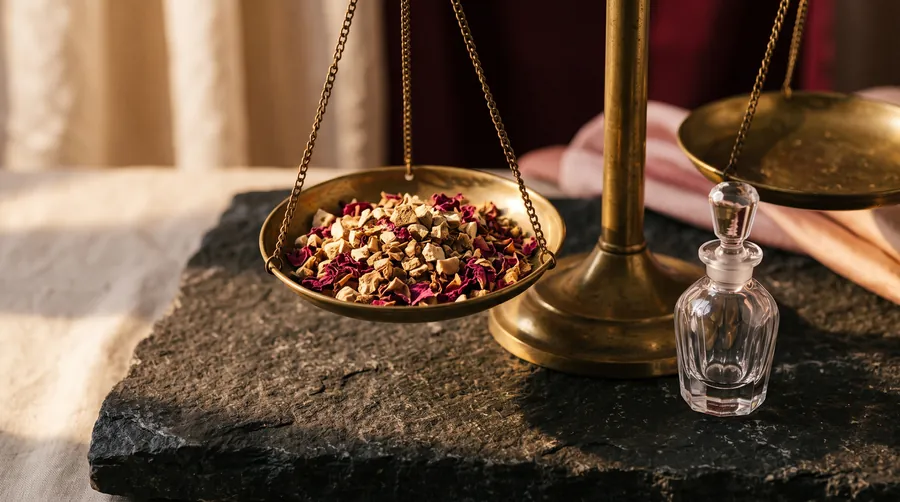
Some naturals are expensive because the yield is tiny. Orris butter, from iris rhizomes that must be dried for three years before distillation, runs into tens of thousands of euro per kilogram and is why powdery iris scents are rarely cheap. Real oud, jasmine absolute from Grasse, tuberose absolute, natural sandalwood from responsibly managed plantations and genuine ambergris all sit in the same territory.
Against that, a great many superb molecules are synthetic and inexpensive: Iso E Super, Ambroxan, Hedione, the modern musks. Synthetic does not mean cheap-smelling. Some of the most admired perfumes of the last forty years are largely synthetic, and several natural materials are unusable in modern perfumery for allergen reasons regardless of budget.
You are always paying for four things: materials, the perfumer, the bottle and the story. Only two of them end up on your skin.
Where designer and niche differ
A mainstream designer fragrance typically spends a small fraction of the retail price on juice and a very large fraction on advertising, celebrity fees and the retail margin at a department store. That does not make it bad; several of the best-loved perfumes ever made are designer releases, and volume allows expensive materials to be bought efficiently.
Niche houses spend less on advertising and more on materials and on a perfumer given freedom, which is why niche perfumery contains both the most interesting compositions on the market and some of the most cynical. A 250 euro bottle from a house with three products and a good nose is usually worth it. The same price from a house launching twelve flankers a year is a bottle tax.
The signals that suggest real value
- The perfumer is named. Houses that credit their perfumer are usually proud of the composition rather than the campaign.
- The range is small. Fifteen fragrances made carefully beats sixty made quickly.
- It develops. A scent that smells materially different at four hours than at ten minutes has structure. A linear scent can be lovely but should not cost 300 euro.
- Samples are available and affordable. Confidence in a product looks like a willingness to let you live with it first.
- The bottle is unremarkable. Heavy glass, magnetic caps and lacquered boxes cost real money that is not in the liquid.
Where to save without regret
Buy the smaller size. Buy from a reputable discounter for mainstream releases, where 30 to 50 per cent off retail is normal and the product is identical. Buy decants to test rather than full bottles to gamble. And consider the excellent, unfashionable classics: a number of chypres and florals from the 1970s and 1980s are still in production, still magnificent and cost a third of what a new niche release does, because nobody is spending money telling you about them.
The one thing worth paying for
If you find a fragrance you genuinely love and it happens to be expensive, buy it. Perfume is worn on the body every day for years, costs perhaps thirty cents a wearing at 200 euro a bottle, and does something for the wearer that is difficult to price. The mistake is not spending; it is spending on the fourth bottle you were unsure about rather than the first one you were certain of.
Try the tool
Fragrance CompassMap your scent in five slidersQuestions we get asked
Are cheaper dupes worth buying?
For trying a style, yes. As a replacement for something you love, rarely, since dupes copy the opening accord and simplify the base, which is what you wear all day.
Does duty free offer real savings?
Occasionally, on mainstream releases. Compare against online discounters before assuming; airport pricing is frequently at or above high street.
Do perfumes expire?
They change rather than spoil. Top notes deteriorate first, usually within three to five years of opening. Kept cool and dark, the base can remain beautiful for decades.