
A third of European adults rent, many of them for their whole lives, and almost all interiors advice is written for people who own. The result is a widespread and expensive belief that a rented flat is a temporary arrangement not worth investing in, which produces years of living in beige rooms with a paper lampshade.
The reframing that helps: spend on what comes with you, ignore what stays.
What comes with you
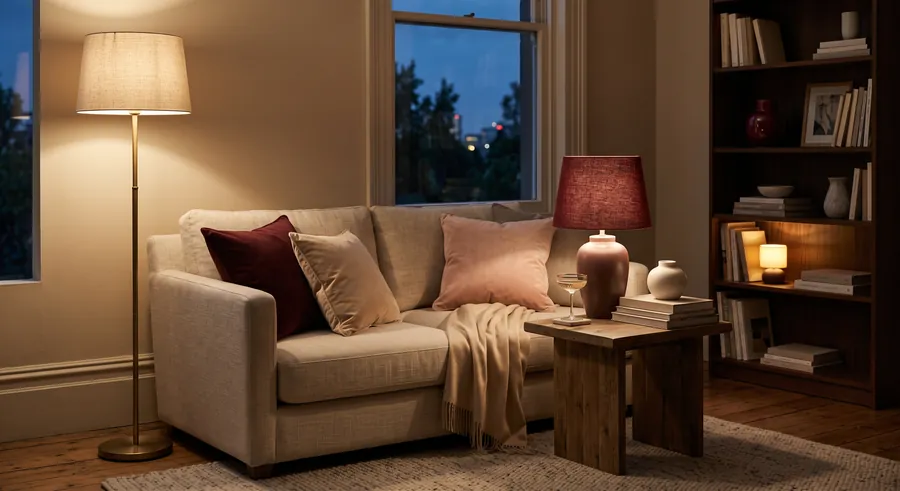
- Lighting. Three lamps transform a room and cost 150 to 400 euro for good ones. They will be in your next four homes. This is the highest-return spend in renting by a considerable margin.
- Rugs. A large wool rug covers a floor you did not choose, absorbs sound and defines a seating area. Buy the size up from the one that seems right.
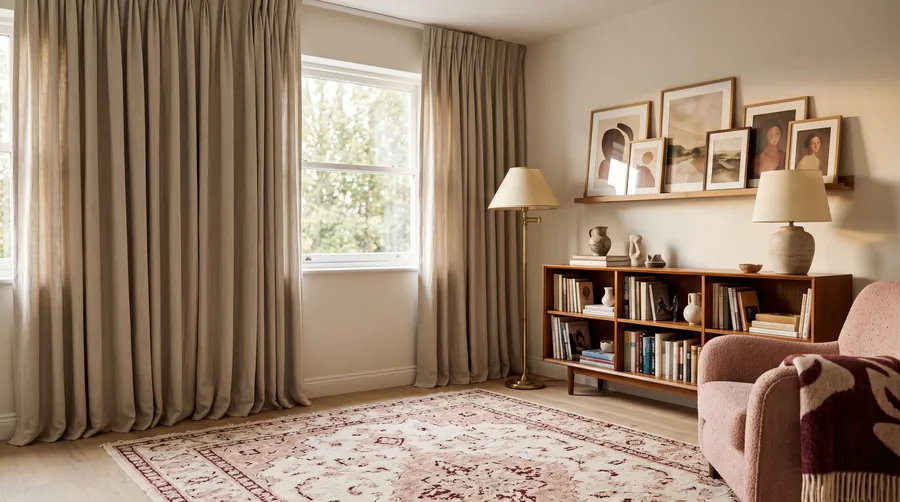
- Textiles. Curtains, and specifically curtains hung wide and high, not inside the window recess. A curtain rail 20 centimetres above the frame and 25 centimetres wider on each side makes a window look twice the size, and both the fabric and the rail come with you.
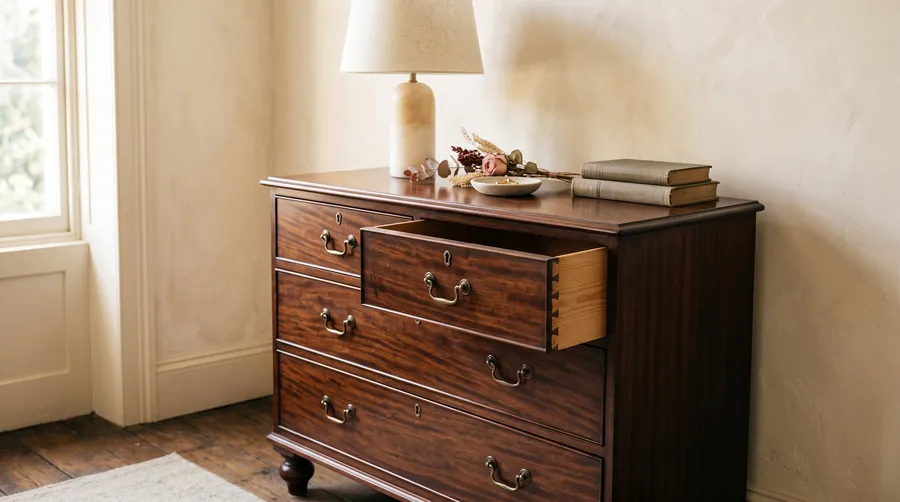
- Freestanding storage. A good bookcase, a chest of drawers, a proper wardrobe if the flat lacks one.
- The bed. A real bed frame and a good mattress, rather than the divan that came with the room.
Spend on the things that come with you and ignore the things that stay. That single rule solves nine tenths of the renting problem.
The reversible changes worth making
Swap the lampshades and keep the originals in a box. Change the handles on fitted kitchen cupboards and keep the old ones; it takes an hour and a screwdriver and transforms a kitchen for 40 euro. Use removable adhesive hooks and picture strips rather than nails. Put a plywood or marble worktop saver over an unpleasant kitchen surface. Add a peel-and-stick splashback if the tiles are grim, testing on a small area first.
Replace a horrible shower curtain and a plastic toilet seat, both of which cost very little and are disproportionately depressing. Put in a decent shower head if the fitting allows, keeping the old one under the sink.
Negotiating with the landlord
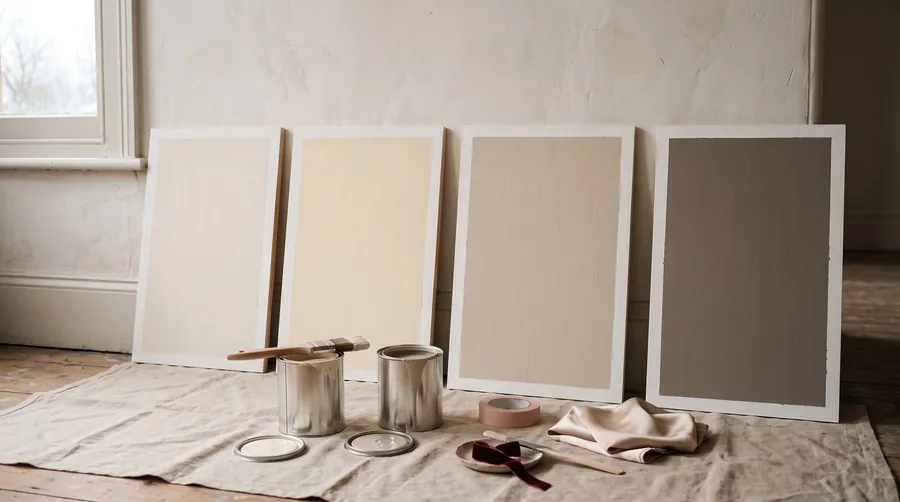
Ask about painting in writing, and ask specifically rather than generally. A request to paint one room in a named neutral colour, professionally, at your cost, with an agreement to return it to white at the end if required, is accepted far more often than a vague enquiry about decorating. Many landlords will supply the paint, since a freshly decorated flat benefits them.
The same applies to a wall of shelving, a better light fitting or a new blind: offer to leave it, offer to restore it, and put it in an e-mail so both of you have a record. Long tenancies give you leverage, because a landlord with a reliable tenant of four years is highly motivated to keep her.
What never to spend on
Fitted anything. Built-in wardrobes, plumbing, tiling, kitchen units, flooring. Not because it would not improve your life, but because it improves the landlord’s asset and cannot be recovered. If a rental genuinely requires that level of work to be liveable, the answer is a different rental rather than a renovation.
The psychological part
Hang the pictures. Unpack the boxes in the spare room. Buy the plants. The instinct to live lightly because you might move in eighteen months is what turns eighteen months into six years of provisional living. A home that feels permanent is one you have committed to, and that commitment costs nothing and is entirely reversible.
Try the tool
Room PaletteColour that suits your lightQuestions we get asked
Can I be charged for holes in the walls?
For nail holes, usually only if they exceed reasonable wear, and the rules vary by country. Adhesive picture strips avoid the question entirely and hold a surprising amount of weight.
Is it worth buying good furniture if I move often?
Yes, if it is modular or light. Solid wood pieces that can be dismantled travel well; enormous fitted-looking units do not.
How do I deal with a bad kitchen?
Handles, lighting under the wall units, a worktop saver, and one good piece of open shelving. That is usually 150 euro and changes the room more than the units themselves would.