The single annual fortnight is a nineteenth-century industrial arrangement that has survived into a century organised entirely differently. It concentrates all of a year’s rest into one block, loads that block with expectation, and then spends the first four days decompressing and the last two dreading the return.
Research on holiday recovery is consistent and slightly deflating: the restorative effect of a holiday peaks within the first few days and fades within two to four weeks of returning, more or less regardless of length. Which suggests, quite strongly, that frequency beats duration.
Why three nights is the number
One night is a journey. Two nights is a weekend that ends before it starts, because the first evening goes to arrival and the second morning to packing. Three nights gives you two complete days in the middle, which is the minimum for the shift in perspective that makes travel worth doing. Four is better still if the flight is long or the time change is more than two hours.
Taken four times a year, that is twelve nights away and roughly eight working days used, against a fortnight that costs ten. The cost is comparable and the year feels entirely different, because you are never more than about three months from the next one.
A fortnight has to carry a whole year of expectation. Three nights only has to be three nights, which is why it so often succeeds.
What makes a good three-night destination
- Under three hours of travel door to door, or a night train. Beyond that, the journey eats one of your two good days.
- Somewhere you can walk. A hire car adds an hour of administration at each end and a decision every morning.
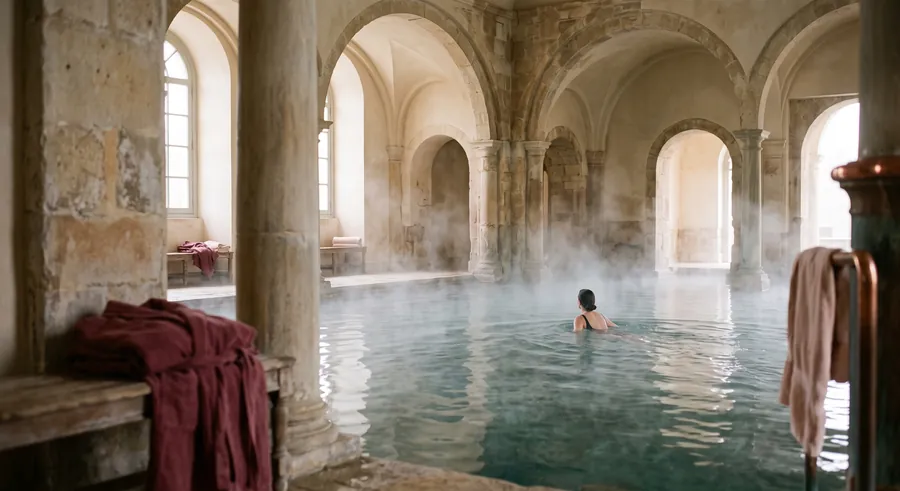
- One reason, not five. A thermal bath, a particular exhibition, a stretch of coast, a restaurant you have been reading about for a year. Trips with a single organising idea are more satisfying than trips with an itinerary.
- Off season. A city in November costs a third of what it does in June and is considerably more pleasant to be in.
The schedule that works
Leave Thursday afternoon, return Sunday evening or Monday morning. Two days of leave, three nights away, and the weekend does most of the work. Book the first dinner before you go and leave everything else open; one fixed point per day is the ratio that lets a trip feel both purposeful and unhurried.
And then the part almost everyone omits: leave the Monday free. Not to travel, but to be at home, unpack, sleep and rejoin your own life gently. A trip that ends with an alarm clock and a full inbox has spent its last third repaying itself.
The budget, honestly
Three nights in a European city, done well and off season, costs between 450 and 900 euro per person including flights, a good hotel and eating properly. That is a real amount of money and it is also less than most people assume, and considerably less than a quarter of a fortnight in high season.
Where to spend it: the hotel’s location, one memorable dinner, and a direct flight at a civilised hour. Where not to: a room with a view you will see for eleven waking hours, airport transfers you could walk, and the third museum, which you will not enjoy.
Our Escape Match tool takes your month, your mood and your budget and returns three places that are at their best precisely then, with a realistic total cost rather than a headline flight price.
Questions we get asked
Is it worth flying for three nights?
For under three hours in the air, yes. Beyond that the balance tips, and a night train or a longer stay makes more sense both environmentally and in terms of how the trip feels.
How far ahead should short trips be booked?
Six to ten weeks for European flights and hotels. Much earlier and you are guessing at your own diary; much later and the good rooms have gone.
What if I can only take one holiday a year?
Then take it in the shoulder season, split it into two shorter blocks if your employer allows, and protect the day after you return. That single day changes the ending of the whole trip.