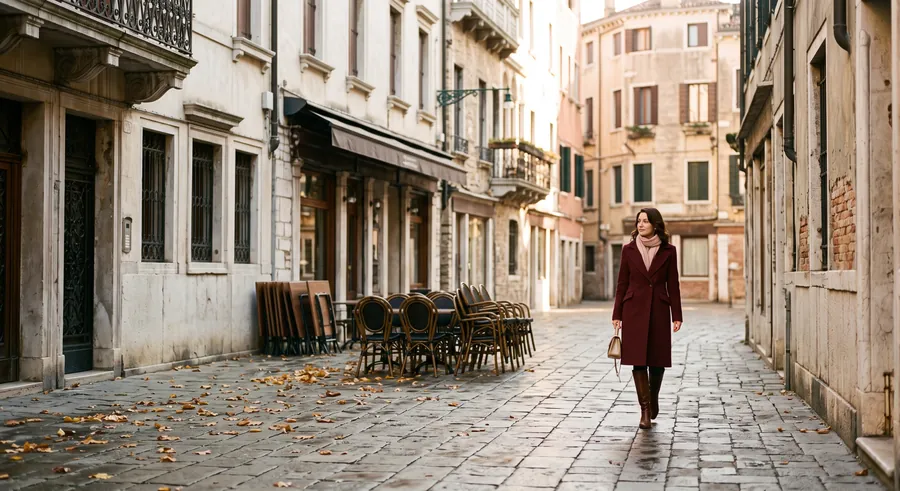
Ask a hundred people how they plan a holiday and ninety-five will name a destination first and then look for dates. Reverse the order and everything improves: the same money buys a better hotel, the streets contain people who live there, and the temperature is one you can walk in.
What shoulder season actually saves
Across most of southern Europe, a hotel in late September costs 40 to 60 per cent of its August rate for materially better weather. Flights follow the same curve with a lag. Restaurants that require booking three weeks ahead in July will seat you on the evening in October. And the queue at the thing you came to see is fifteen minutes rather than ninety.
The exception worth naming: places whose entire economy is seasonal sometimes close. A Greek island in November is beautiful and largely shut. Check that the specific things you want are open before congratulating yourself on the price.
Choosing where to go before choosing when to go is the most expensive mistake in travel, and almost everyone makes it in that order.
The map, month by month
- January and February. The Alps for snow, obviously, and the Canaries for guaranteed sun within four hours. This is also the best time for northern European cities: Vienna, Copenhagen, Berlin, half empty, properly lit, with concert seasons in full swing.
- March. Andalusia comes alive, Sicily is green, and the Portuguese coast begins. Northern Italy is still cold and its museums are gloriously empty.
- April. The best month in the Mediterranean for walking: Mallorca before the crowds, the Amalfi coast before the coaches, Crete in wildflower. Easter distorts prices for two weeks.
- May. Arguably the finest travel month in Europe. Everything is open, nothing is full, and the light in Italy and Greece is at its best.
- June. Still excellent in the south until about the twentieth, and the peak month for Scandinavia, Scotland and the Baltic, where daylight runs to midnight.
- July and August. The north and the mountains: Norway, the Dolomites, the Engadin, Ireland. Southern cities are for people who genuinely enjoy heat.
- September. The best sea temperatures of the year in the Mediterranean, harvest in the wine regions, and prices falling week by week. If you can only travel once, go now.
- October. Portugal, southern Spain, Sicily, Puglia and Turkey are all at their most pleasant. Northern Italy is at its most beautiful.
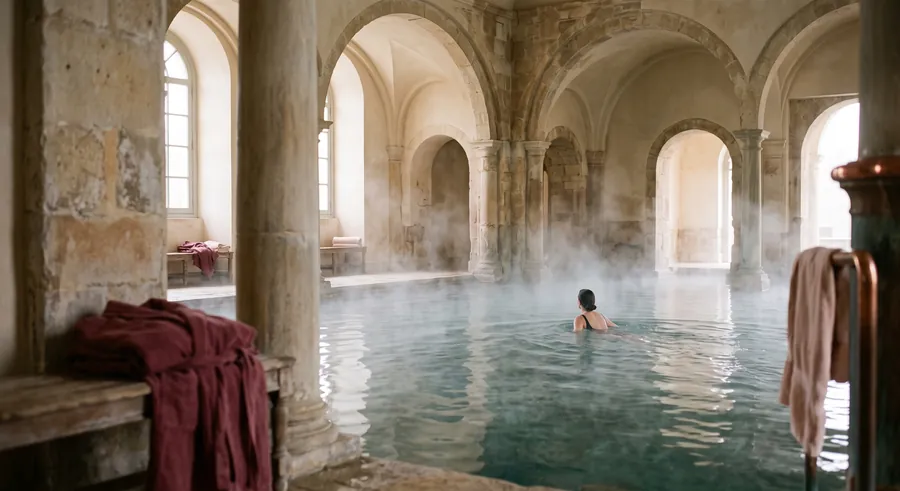
- November. The great city month: Paris, Rome, Madrid, Lisbon, with hotel rates at their annual low and restaurants glad to see you. Also the best value for thermal spas.
- December. Christmas markets in central Europe for a fortnight, then a lull. The Canaries and Madeira are reliable for winter sun without a long flight.
How to use this practically
Decide first what kind of trip you want: heat, walking, culture, water, food, or nothing at all. Then look at which months serve that, and only then choose from the places that are good in those months. Set a fare alert for a fortnight of flexible dates rather than a specific weekend, because moving a trip by four days routinely halves the airfare.
And when you find a place that suits you off season, go back at the same time of year. Knowing a city in November, properly, is worth more than knowing six of them in July.
Questions we get asked
Is the weather reliable in shoulder season?
Less so, and that is the trade. Take one warm layer and a waterproof, and choose destinations where rain does not ruin the plan. A city handles bad weather; a beach does not.
Which places are genuinely worth high season?
Anywhere whose appeal is the season itself: the Nordic midnight sun, alpine snow, a specific festival. Otherwise the argument for July is usually school holidays rather than the destination.
Do hotels negotiate off season?
Frequently, particularly for three nights or more booked directly. A polite e-mail asking for their best direct rate produces a discount or an upgrade more often than not.